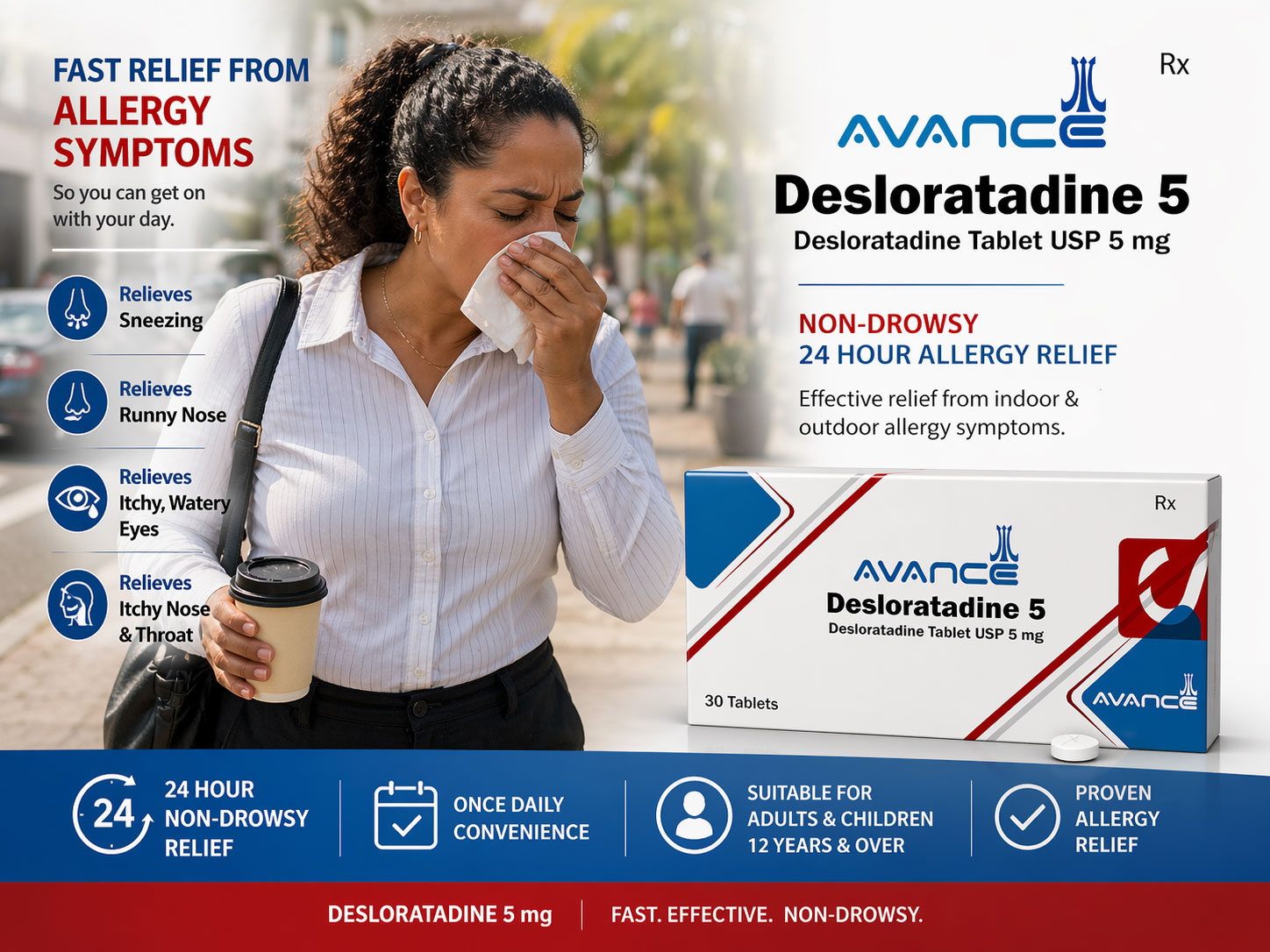
Many people dismiss allergies as “just sinus” or “just dust.” But allergies can quietly interfere with sleep, concentration, breathing, skin health, mood, and daily productivity far more than most people realize.
Every day, the body is exposed to allergens such as dust, mold, pollen, pet dander, smoke particles, and environmental pollutants. In sensitive individuals, the immune system overreacts to these harmless substances by releasing a chemical called histamine.
That reaction drives many common allergy symptoms:
1️⃣ Constant Sneezing and Runny Nose
Histamine stimulates nerves inside the nasal passages while also increasing mucus production. This creates repetitive sneezing, irritation, and nasal dripping.
2️⃣ Persistent Congestion
Histamine increases the permeability of blood vessels inside the nose, causing surrounding tissues to swell. The result is blocked sinuses and difficulty breathing comfortably.
3️⃣ Itchy, Watery Eyes
Histamine activates sensory nerves around the eyes, leading to tearing, redness, burning sensations, and itching.
4️⃣ Skin Breakouts and Hives
In some people, histamine causes small blood vessels in the skin to leak fluid into surrounding tissues. This produces raised, itchy welts known as hives (urticaria), along with redness, irritation, and skin inflammation.
5️⃣ Poor Sleep, Fatigue, and Reduced Focus
When allergic inflammation persists throughout the day and night, sleep quality often declines. Many people wake up tired, mentally foggy, and less productive despite getting enough hours of sleep.
This is where Desloratidine becomes clinically important.
Desloratadine works by selectively blocking H1 histamine receptors throughout the body. Mechanistically, this interrupts the inflammatory signals responsible for sneezing, itching, watery eyes, mucus overproduction, tissue swelling, and allergic skin reactions like hives.
Importantly, desloratadine acts mainly outside the brain, meaning it relieves allergy symptoms with no drowsiness, unlike older antihistamines.
As histamine signaling decreases:
- Clears nasal swelling for easier breathing
- Reduces mucus and persistent congestion
- Stops sneezing, itching, and watery eyes
- Calms hives, redness, and skin irritation
- Helps airways feel clearer and less inflamed
- Improves sleep by controlling nighttime allergy symptoms
For many people, allergy relief is not simply about comfort. It is about restoring the ability to function properly every day.