Most people think glaucoma happens suddenly.
The truth is far more frightening: Open-angle glaucoma often develops slowly, silently, and without pain — sometimes for years before a person notices anything is wrong.
Glaucoma damages the optic nerve, the part of the eye responsible for sending visual signals to the brain. When fluid inside the eye stops draining properly, pressure slowly builds and places stress on this delicate nerve.
⛔ Over time, this can lead to gradual and permanent vision loss ⛔
🚩 Using Steroids Too Often
Many everyday medications contain steroids, including asthma inhalers, eczema creams, allergy medications, gym supplements, and some eye drops.. Over time, steroids can interfere with the eye’s drainage system, allowing fluid and eye pressure to slowly build up. The dangerous part is that most people feel completely normal while this silent pressure gradually damages the optic nerve in the background.
🚩 Ignoring Diabetes & High Blood Pressure
Diabetes and high blood pressure (hypertension) can weaken the tiny blood vessels that nourish the optic nerve. Too much sugar, salt, smoking, obesity, and uncontrolled blood pressure may slowly reduce healthy blood flow to the eyes. Over time, the optic nerve becomes more vulnerable to damage — often long before any noticeable symptoms appear.
🚩 Poor Sleep Habits
Heavy snoring, sleep apnea, poor sleep quality, and chronic exhaustion may affect oxygen delivery to the eyes during sleep. When oxygen levels repeatedly drop overnight, the optic nerve can experience long-term stress little by little over the years, increasing the risk of silent damage.
🚩 Sitting for Hours Every Day
Long hours spent sitting at desks, driving, watching television, or constantly scrolling on phones can gradually worsen circulation and overall metabolic health. Poor circulation may reduce healthy blood flow to the optic nerve, increasing pressure-related stress inside the eye over time.
🚩 Skipping Eye Exams Because Vision “Feels Fine”
This is one of the biggest reasons glaucoma becomes dangerous. Open-angle glaucoma usually affects side vision first, making early changes difficult to notice during normal daily activities. Many people continue reading and driving normally while silent optic nerve damage slowly progresses unnoticed.
🚨 The Bigger Picture 🚨
What makes glaucoma so dangerous is how normal the risk factors can seem — from poor sleep, long hours sitting, uncontrolled blood pressure, overusing steroid medications, or skipping regular eye exams because vision still feels “fine.” These everyday habits can quietly place stress on the eyes and slowly damage the optic nerve for years without obvious symptoms.
⚠️ By the time many people notice changes in their vision, some eyesight may already be permanently lost.
✨ Protecting Long-Term Vision ✨
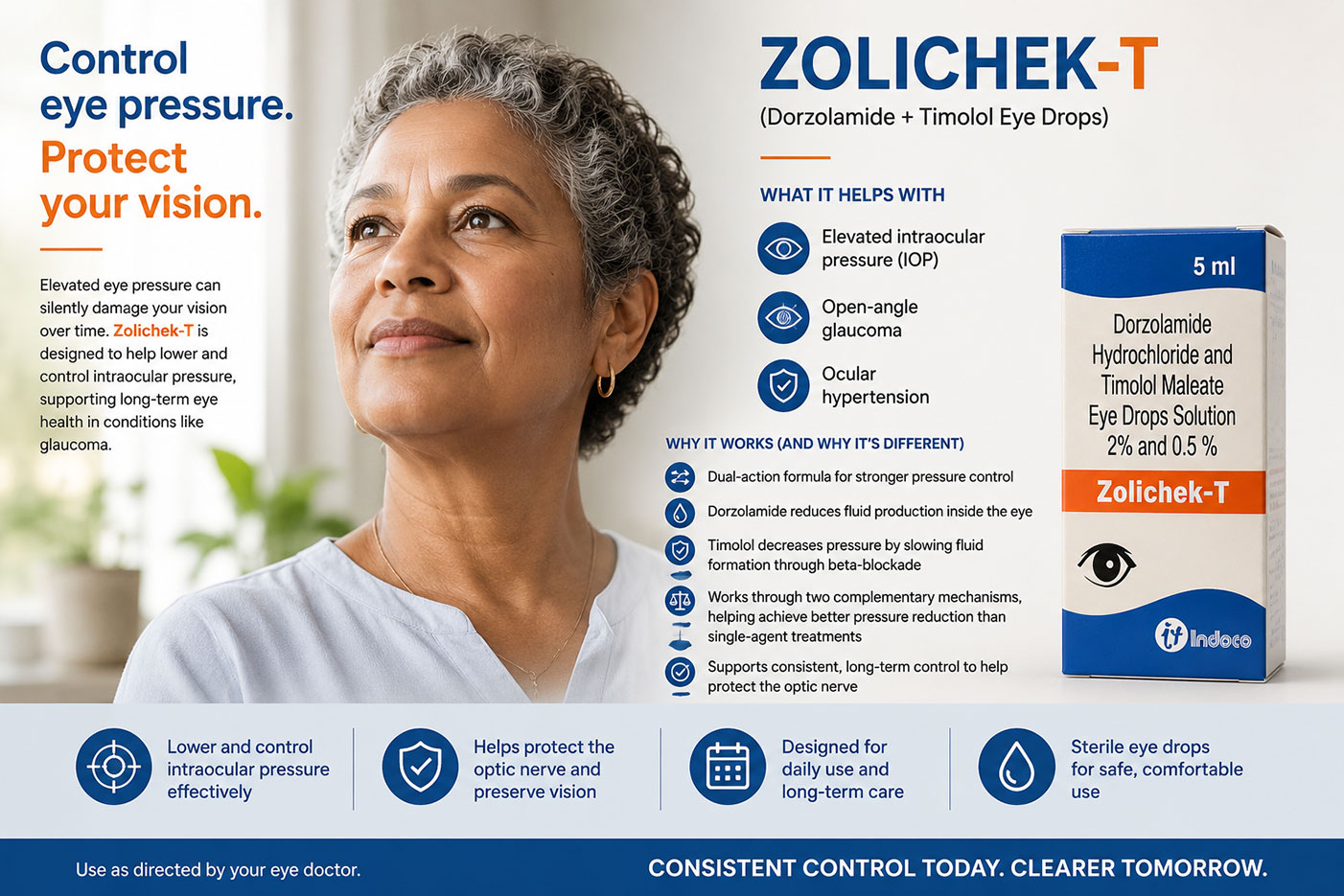
✨ The good news is that early detection, healthier habits, and proper glaucoma management can help protect long-term vision. Special eye drops may also help support healthier eye pressure control and protect the optic nerve over time.
“Glaucoma does not steal vision overnight—it builds silently through pressure, poor habits, and years without warning.”