Allergies can affect a child’s breathing, sleep, skin, concentration, and overall quality of life. In Trinidad & Tobago, where humidity, dust mites, mold, and airborne irritants are common year-round, parents can take simple but powerful steps to reduce allergy flare-ups before they become more serious.
1. Create a Cleaner Sleeping Environment
Children spend hours breathing in allergens trapped in pillows, mattresses, curtains, and stuffed toys.
Parents can help by:
- washing bedding weekly,
- cleaning fans and air-conditioning filters regularly,
- reducing dust buildup,
Cleaner sleeping spaces often lead to calmer breathing and better sleep.
2. Act Early When Breathing Symptoms Appear
If a child frequently coughs at night, wheezes during play, or struggles during dusty weather, parents should seek medical advice early.
Early management of Asthma and allergies can reduce inflammation and lower the risk of more serious breathing complications later on.
Parents should also avoid smoking near children and reduce exposure to strong sprays, smoke, and harsh household chemicals indoors.
3. Pay Attention to Sleep, Energy, and Focus
Children with Allergic Rhinitis often sleep poorly because blocked noses and irritated airways disturb breathing at night.
Parents should watch for:
- mouth breathing,
- constant tiredness and restless sleep
- poor concentration
Recognizing these signs early can help prevent allergies from quietly affecting school performance and daily life.
4. Protect Sensitive Skin Daily
Children with Atopic Dermatitis benefit from consistent daily skin care.
Helpful habits include:
- moisturizing daily and fragrance free soaps
- keeping fingernails short,
- dressing children in breathable clothing,
Daily skin protection can reduce scratching, infections, and painful flare-ups.
5. Never Ignore Food Reactions
Swelling, hives, vomiting, wheezing, or throat tightness after eating should always be treated seriously.
If these symptoms appear:
- seek medical attention immediately,
- avoid giving the suspected food again without guidance,
- and learn the warning signs of Anaphylaxis.
Fast action can save a child’s life.
The Extra Support That Helps Bring Everything Together
Reducing allergy triggers and acting early are key steps in preventing allergies from worsening in children and adults. Creating a cleaner environment and managing common triggers can help reduce symptoms and improve day-to-day comfort.
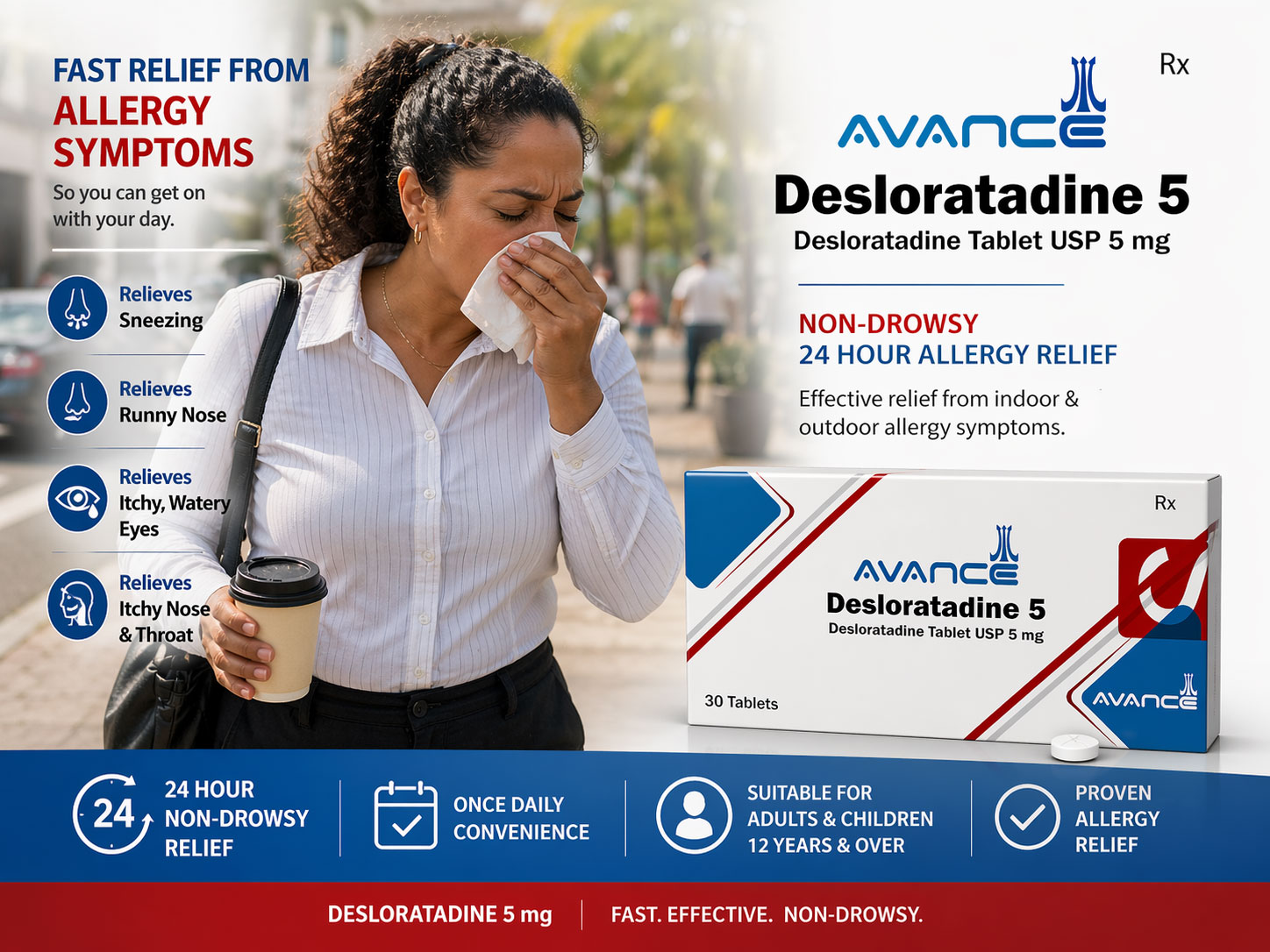
For additional support, Desloratadine syrup — a second-generation antihistamine — can help relieve symptoms such as sneezing, runny nose, itchy eyes, and skin irritation. When combined with proper allergy management, it may help both children and adults breathe easier, sleep better, and feel more comfortable throughout the day.