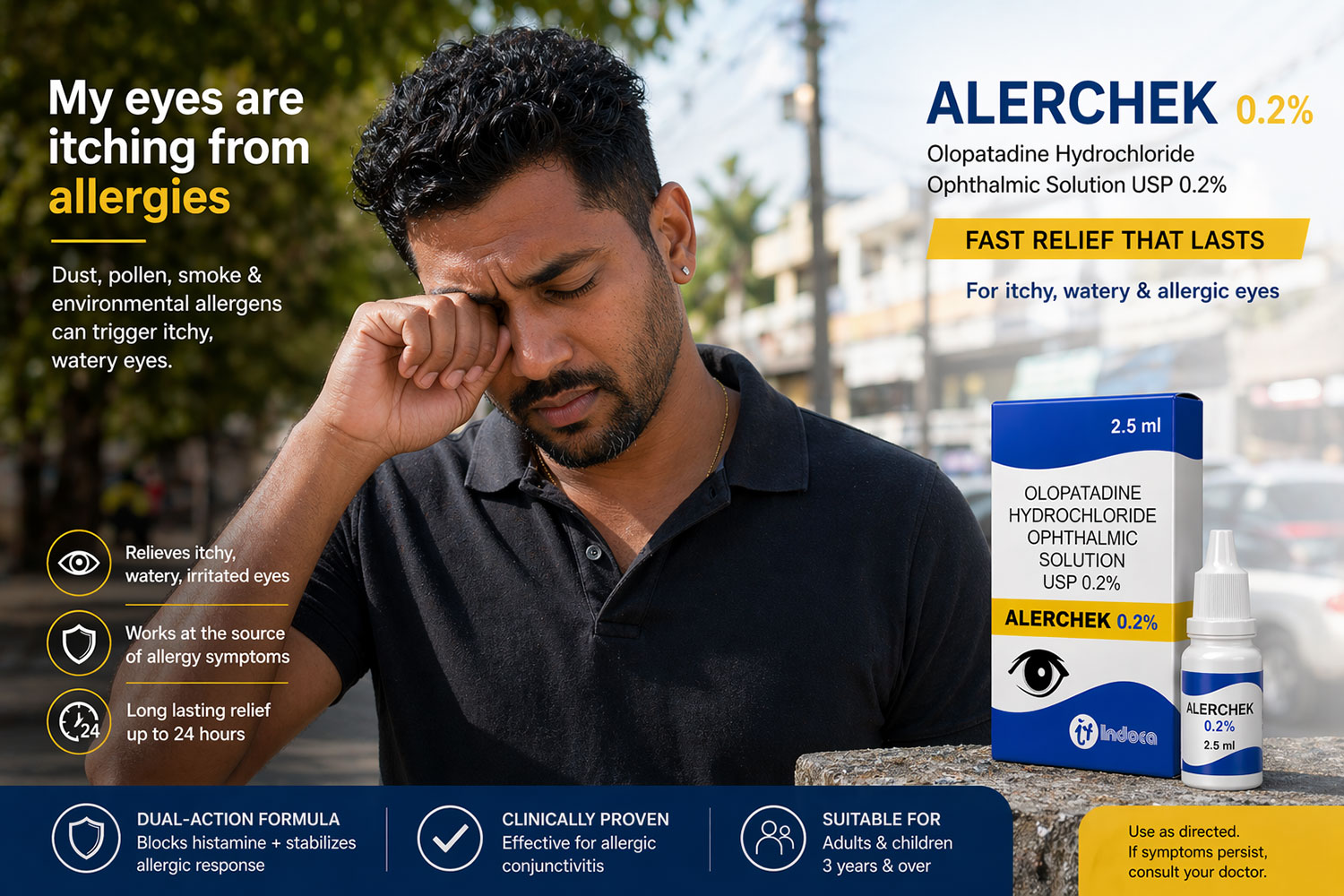
Most people think eye allergies are harmless until the itching, redness, watering, and burning start interfering with daily life. But persistent allergic inflammation can slowly place stress on the surface of the eye over time. The good news is that early, consistent management can often reduce symptoms significantly and help protect long-term eye health.
Here are 5 practical steps eye doctors commonly recommend:
1. Stop Rubbing Your Eyes
Rubbing may feel relieving temporarily, but it increases inflammation inside the eye and can weaken the cornea over time.
2. Reduce Exposure To Triggers
Dust, pollen, smoke, pet dander, and mold are common triggers. Keeping bedding clean, reducing indoor dust, and avoiding smoke exposure can help decrease irritation.
3. Use Cold Compresses During Flare-Ups
Cold compresses help calm inflamed blood vessels and may reduce swelling, redness, and itching naturally.
4. Protect The Eye’s Natural Moisture Layer
Dry eyes become more sensitive and inflamed. Reducing screen strain and keeping the eyes properly lubricated can help stabilize the eye’s protective surface.
5. Treat Allergic Inflammation Early
Allowing inflammation to continue unchecked for long periods increases the risk of chronic irritation and damage to the eye’s surface.
As part of a practical daily approach, Alerchek 0.2% provides once-daily relief for allergic eye itching, redness, watering, and irritation, helping support better long-term control of eye allergy symptoms.
Consistent control of inflammation early is often far easier than trying to reverse damage later.