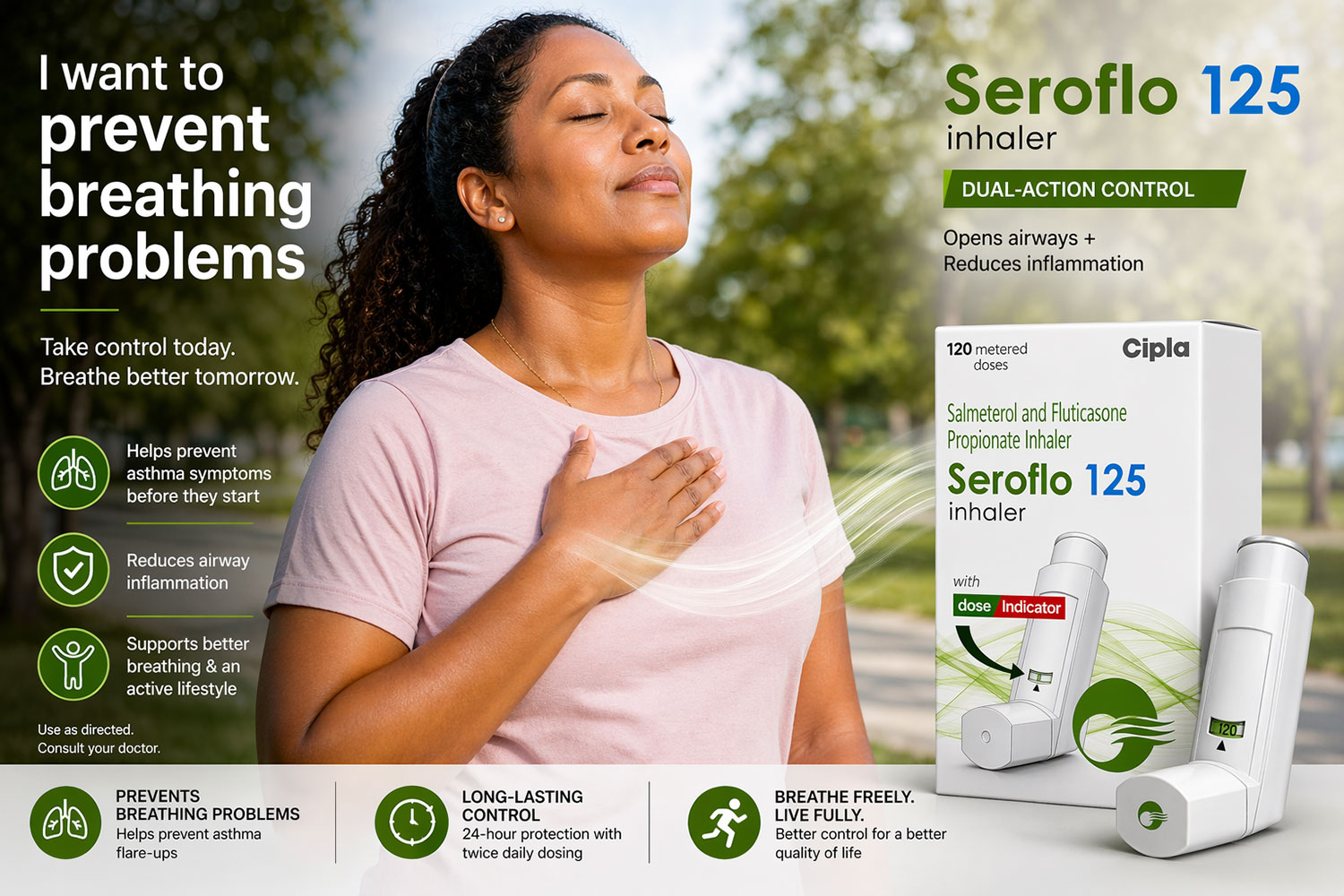
If wheezing, chest tightness, constant coughing, or shortness of breath have been affecting your daily life, the good news is that small daily changes can make a major difference. Most people wait until symptoms become severe before taking control, but improving breathing usually starts with reducing inflammation early and avoiding the triggers that quietly worsen lung damage over time.
1. Stop Waiting Until Symptoms Become Severe
- Follow your prescribed treatment plan consistently
- Do not wait until you are “short breath” to act
- Track how often you need your relief inhaler
2. Reduce Everyday Lung Triggers At Home
- Keep rooms free from dust, smoke, and mold
- Wash bedsheets and curtains regularly
- Avoid strong scents, incense, and cigarette smoke
3. Strengthen Your Lungs Gradually
- Take short daily walks at a comfortable pace
- Practice slow, controlled breathing exercises
- Avoid becoming completely inactive due to fear of breathlessness
4. Help The Lungs Clear Mucus Properly
- Drink enough water throughout the day
- Use warm fluids to help loosen congestion
- Seek treatment early for chest infections or lingering coughs
5. Take Night Symptoms Seriously
- Pay attention to coughing that interrupts sleep
- Do not ignore waking up short of breath
- Seek medical advice if symptoms worsen at night
Important Signs Your Breathing May Not Be Controlled:
- Frequent wheezing
- Chest tightness during activity
- Needing relief inhalers too often
- Breathlessness climbing stairs
- Repeated coughing after the flu
Long-term breathing control usually requires both reducing inflammation and keeping the airways open properly. Maintenance inhalers like Seroflo 125 Inhaler are commonly used as part of this approach because they help calm airway inflammation while also improving airflow through the lungs. When used consistently alongside healthy daily habits and proper medical guidance, they can help reduce flare-ups, improve breathing comfort, and support better long-term lung health.