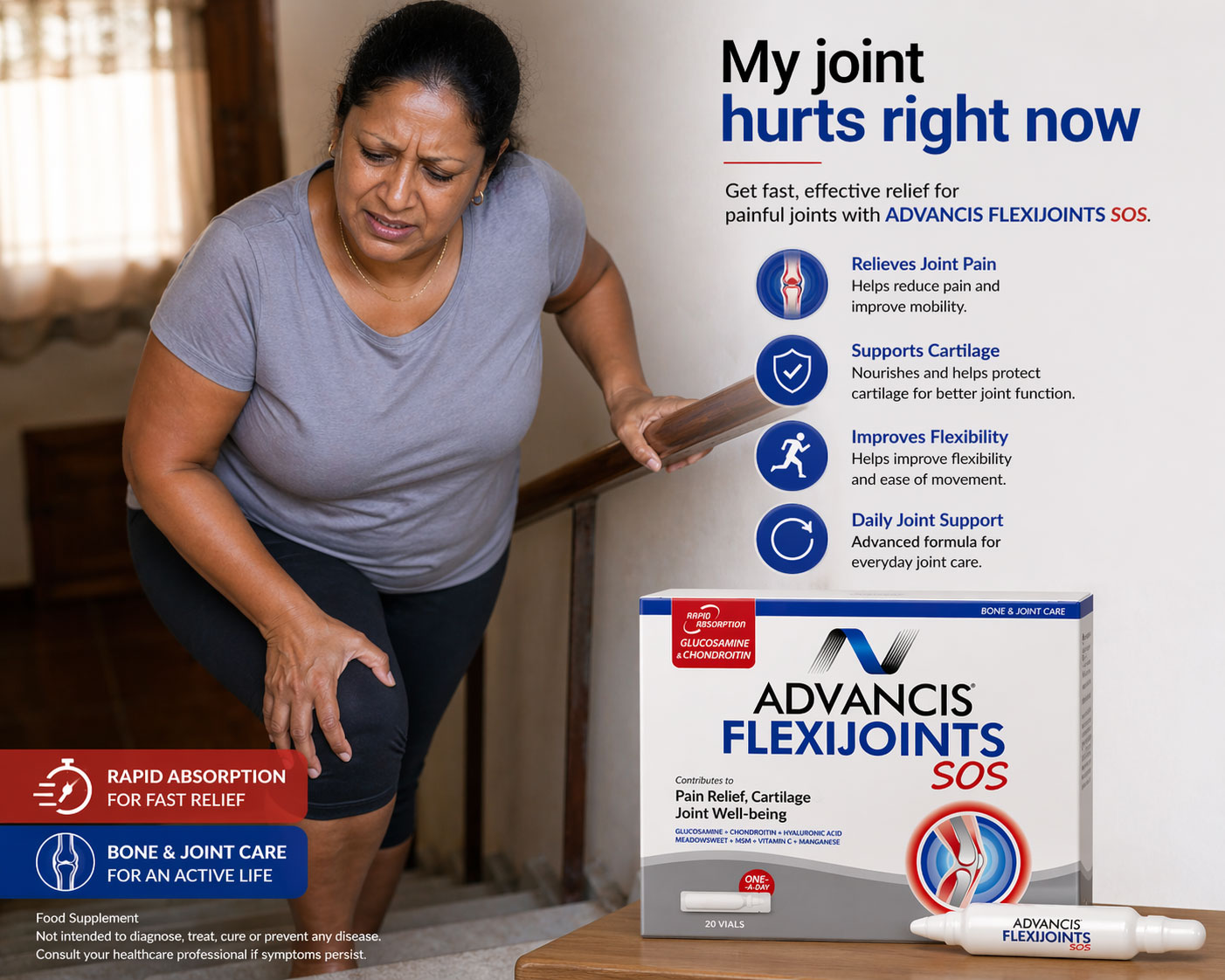
Most people brush off joint pain as “just getting older.” But cracking knees, stiffness, and swelling are often early warning signs that inflammation and cartilage damage are already attacking the joints from the inside.
Early Symptoms Many People Ignore:
- Cracking knees when walking upstairs
- Stiffness after sitting too long
- Swollen joints after activity
- Reduced flexibility and mobility
- Persistent aches in the hips, knees, shoulders, or back
Cartilage is the protective cushion between your bones. Once inflammation starts wearing it down, the damage can slowly become permanent.
1. Your Bones Start Grinding Together
As cartilage disappears, bones lose their protection and begin rubbing directly against each other. Every step, bend, or climb creates more friction, more inflammation, and more damage.
2. Your Body Starts Becoming Weaker
Pain causes many people to move less without realizing it. Over time, the muscles supporting the knees, hips, and back become weaker, making joints even more unstable and increasing the risk of falls.
3. Inflammation Spreads Through The Body
Chronic inflammation does not stay trapped in the joints. It can begin affecting circulation, energy levels, metabolism, and overall health. Many people with long-term inflammation experience constant fatigue, weight gain, and declining physical health.
4. Nerves Can Become Trapped
As joints swell and deteriorate, nearby nerves may become compressed. This can trigger burning pain, numbness, tingling, weakness, or pain shooting through the arms and legs.
5. Permanent Damage Can Set In
Years of untreated degeneration can permanently change the structure of the joint. Knees may become unstable, fingers can deform, and normal movement may become difficult without surgery.
Serious Long-Term Outcomes
- Losing the ability to walk comfortably
- Requiring major joint surgery
- Becoming dependent on daily pain medication with side effects
- Losing independence with age
- Living with permanent chronic pain
Pain is often the body’s first warning sign that deeper damage has already begun. The longer inflammation and cartilage degeneration are ignored, the harder they become to manage.
That is why many people are now turning to Advancis Flexijoint SOS to help support joint comfort, flexibility, mobility, and everyday movement. By helping support the joints before degeneration worsens, it may assist people in staying active, independent, and physically capable for longer.